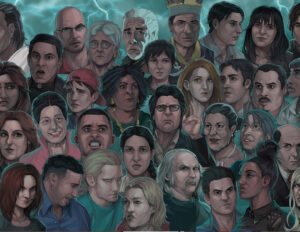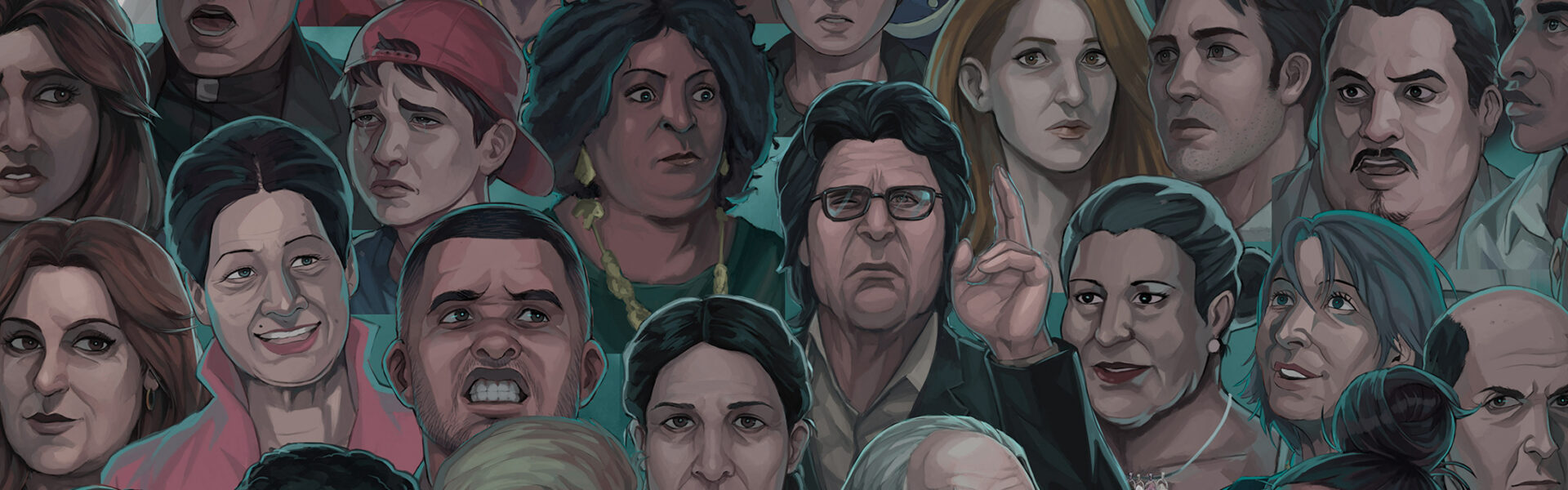
Latin America is one of the most ethnically diverse regions on Earth; however, visual storytelling has frequently reduced that diversity to generalized or stereotypical representations. In contemporary graphic novels, a growing number of illustrators are adopting stricter standards of ethnic likeness, treating visual identity with the same rigor that historical fiction applies to architecture, clothing, or language.
This commitment goes far beyond skin tone. Realistic ethnic representation involves facial structure, hair texture, regional ancestry, body language, clothing traditions, and environmental context. A Quechua teenager from Peru, an Afro-Colombian fisherman from the Pacific coast, and a middle-class woman from northern Mexico do not simply “look Latin American” in the same way. Their appearances are shaped by distinct histories, migrations, climates, and cultural environments.
For the illustrators of LatinAir, achieving this precision required a level of visual research comparable to documentary work. Reference archives, anthropological photography, oral histories, and local consultants became essential tools in the pursuit of serious graphic storytelling. Part of our project’s legacy would ideally be encouraging more Latin American illustrators to adopt this approach, with the long-term effect that future audiences become more demanding regarding ethnic realism and eventually reject homogenized representations inherited from foreign media industries.
Strict ethnic likeness also strengthens emotional immersion. Readers are more likely to recognize themselves, their relatives, and their communities when characters reflect authentic regional diversity rather than idealized archetypes. In large-scale narrative projects, especially those addressing social realities, migration, inequality, or identity—as LatinAir does—visual authenticity becomes an integral part of the storytelling itself.
Ultimately, realistic representation is not merely aesthetic precision. It is cultural recognition. In Latin American graphic literature, illustration is increasingly expected not only to entertain, but also to document, preserve, and humanize the immense diversity of the continent.